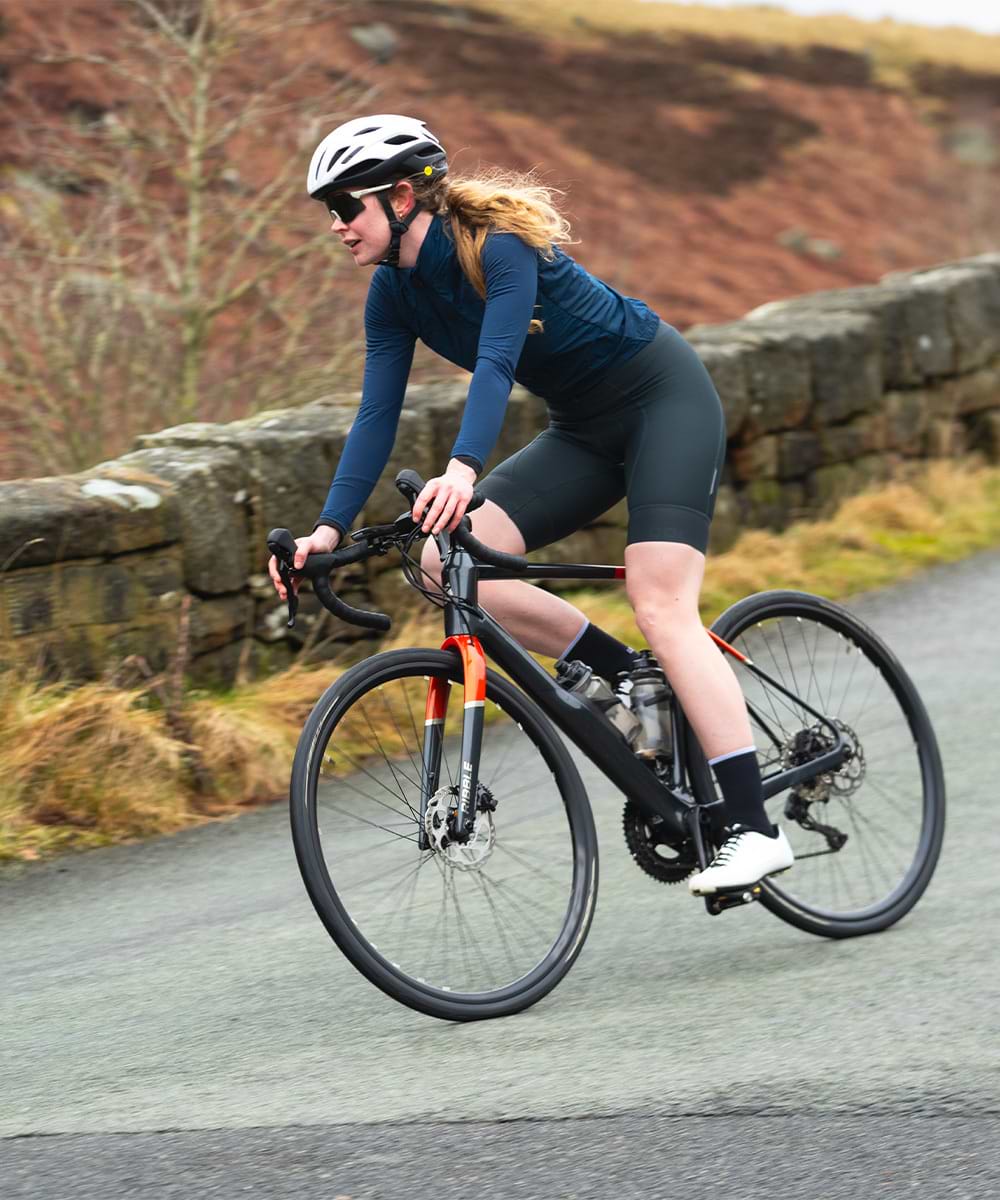
Do You Really Need a Winter Bike? Benefits, Setup & Key Features
When the clocks go back and the roads turn wet, gritty, and unpredictable, many riders ask the same question: “Why can’t I just ride my normal bike through winter?”
Technically, you can - but that doesn’t mean you should. A dedicated winter bike isn’t just about tradition; it’s about protecting your best bike, keeping training consistent, and making every mile through the colder months more enjoyable. Here’s why it matters.
What Is a Winter Bike?
A winter bike is essentially a workhorse for the colder months. It’s designed to take on rain, grit, and freezing roads without complaint, often featuring:
- Geometry: Endurance-focused geometry for comfort and stability on longer rides.
- Mounts: Proper mudguard and rack mounts to fend off spray and carry extra kit.
- Durability: Frames built from aluminium, steel, or titanium to take the knocks of harsher conditions.
Think of it as your reliable training partner that saves your best bike for when it matters most.
Why Consider a Winter Bike?
So, do you really need a winter bike? Here are the key reasons many cyclists swear by them:
- Protect your best bike: Road salt, grit, and endless washes can wreak havoc on carbon race bikes. A winter bike keeps your summer pride-and-joy fresh for events and dry rides.
- Consistency through the seasons: Reliability is key when training year-round -and a winter bike offers just that.
- Lower maintenance costs: By taking the brunt of bad-weather riding, your main bike lasts longer and costs less to keep race-ready.
Many riders also find that a dedicated winter bike helps to keep them more motivated through the darker months. Knowing you have a bike ready for the job can make it a lot more enjoyable.
Key Features of a Great Winter Bike
Not all bikes are winter-ready straight out of the box. Here’s what makes the best winter bike setup:
- Mudguard compatibility – essential for staying dry and avoiding road spray.
- Wider tyre clearance – space for wider tyres gives grip and comfort on rougher roads.
- Durable frame materials – aluminium, steel, and titanium are proven choices for tough conditions.
- Disc brakes – reliable stopping power in the wet, icy, or grimy rides of winter months.
Ultimately, a winter bike needs to keep you as comfortable as possible when the conditions are at their worst. That means steady handling, reliable stopping power, and the ability to shrug off grit and rain so you can focus on the ride.
Can Other Bikes Double as Winter Bikes?
Absolutely. Not everyone has space or budget for a dedicated build, so here are alternatives:
- Gravel bikes: Wider tyres, disc brakes, and mudguard options make them ideal for winter roads. A Ribble ALLGRIT AL or ALLGRIT TI-X can double as a rugged winter trainer.
- CGR range: The CGR AL, CGR TI-X, or CGR E AL are designed for versatility - equally happy on winter lanes as they are on light trails.
- Endurance road bikes: The ALLROAD AL and ALLROAD SL (both disc-equipped with mudguard clearance) are strong choices for riders who want a performance feel without risking their main race bike.
Any bike with wider tyre clearance, mudguard mounts, and disc brakes can serve as a great winter bike, but dedicated builds will always perform better for long term durability.
Ribble Options for Winter Riding
If you’re considering adding a winter-ready setup, Ribble has you covered:
- CGR AL – A versatile aluminium bike that can take on road, gravel, and winter miles with full mudguard compatibility.
- ALLGRIT AL – Perfect if you want the added security of wider tyres and all-surface confidence.
- ALLROAD AL – Our endurance road bike with the comfort and stability you need when conditions turn harsh.
- CGR TI-X – For those who want a forever frame, titanium shrugs off winter grime with minimal fuss.
All of these models are designed with UK winters in mind, offering durability and comfort without sacrificing performance. Explore our full range on the Winter Bikes page.
Final Thoughts - Do You Need a Winter Bike?
If you ride through the colder months, a winter bike isn’t just a luxury - it’s a smart investment. Protect your main bike, train with confidence, and ride without limits no matter the weather.
FAQs
What tyres are best for winter road cycling?
The wider the better in a lot of cases. Tyres with a puncture-resistant casing are ideal, offers great balance between grip and durability. Going 28–32mm gives you more stability on wet or gritty roads and helps cut down on punctures.
What tyre pressure should I use in winter?
Slightly lower pressures work best in winter. For 28mm tyres, 80–90 PSI is a good starting point, adjusted to your weight and preference. Lower pressure improves grip and comfort in wet or icy conditions.
Do I need mudguards on my winter bike?
Yes - not only do they keep you dry, but they stop grit and spray from wrecking your drivetrain. Full-length mudguards also reduce cleaning and maintenance after each ride. They are a big benefit for group rides as they keep spray off riders behind you.
How often should I clean my bike in winter?
Ideally after every wet or gritty ride. A quick rinse and chain wipe can save hours of future maintenance. A deeper clean once a week will keep parts running smoothly and extend their life.
What is the best chain lube for winter cycling?
Wet lubes are best for winter, as they resist wash-off in rain. They create a protective film that resists wash-off and keeps the chain moving freely. Look for a long-lasting wet lube and apply regularly.
What is a Gravel Bike?
Curious about gravel bikes? Discover what a gravel bike really is, how it handles different terrain and why more riders are choosing it for everyday miles and weekend adventures.

Tyre Choice and Pressures for UK Gravel
Tyres can make or break your gravel ride. This blog cuts through the guesswork on width, tread and pressure, showing you what actually works for UK conditions.

Getting the right set up is half the battle
Getting your gravel bike set up right is the difference between enjoying the ride and counting down the miles. This blog breaks down the key adjustments that actually matter, from saddle height to bar position and tyre pressure, without drowning you in jargon.

Just because it’s wet and cold, doesn’t mean we’re not having fun
February gravel isn’t about hero rides. It’s about quiet trails, mixed surfaces and riding for the sake of it. This blog dives into why Ribble staff and the Outliers keep choosing gravel when winter drags on, from traffic-free routes to bikes built to handle proper UK conditions.
Post Ride Checks That Keep Your Gravel Bike Running
Winter wrecks bikes. This blog shows you how to fight back in five minutes flat. No tools, no faff. Just the simple checks that stop small issues turning into expensive problems. From wiping down grit to spotting tyre cuts and keeping your chain alive, it’s the bare minimum that makes a massive difference. Ride more. Fix less. Your future self will thank you.
Winter Gravel Essentials: What Actually Works in UK Conditions
Winter gravel isn’t about suffering. It’s about turning up and staying comfortable. This guide shares no-nonsense kit advice from Ribble staff and the Outliers on what actually works in a UK February.
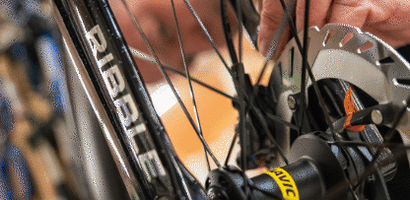
When To Service Your Bike? A Practical Guide for Every Rider
Looking after your bike doesn’t start and end with a clean after riding. Regular servicing keeps it working at its best, no matter how often you ride. The tricky part is knowing when a service is needed. Too early feels unnecessary. Too late and the problems have already crept in. This guide breaks it down simply so you can ride more and worry less.

Best Road Bikes 2026
A clear guide to choosing the right road bike for how you actually ride, cutting through the noise to explain what actually makes a road bike ‘the best’ in 2026.

Shimano 105 - The GOAT Groupset?
Shimano 105 is the groupset riders trust when they want pro-level performance without the pro-level price. With both mechanical and Di2 options now available, it might just be the GOAT. Here’s why.
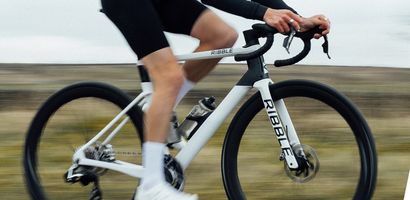
Electric Road Bike vs Road Bike – What’s the Difference?
Electric road bikes deliver the same ride, handling and thrill as traditional road bikes, just with a discreet boost that helps you go further, faster, and ride more often.

Electric Road Bike vs Road Bike - What's the difference?
Electric road bike vs road bike: what’s the real difference? We cut through the myths and show how e-road bikes stack up against traditional road bikes, rider to rider.

How Far Can an Electric Bike Go? Range, Batteries & Real-World Tips
“How far can an electric bike really go?” In this guide, we’ll break down exactly what determines e-bike range, share practical tips to make every charge go further, and show how Ribble’s electric bikes compare in real-world conditions.