Spare £200
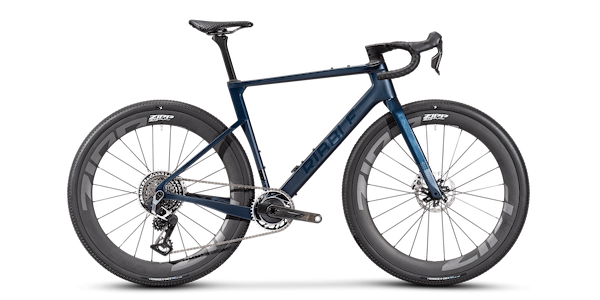
ULTRA-GRIT
Getestet im Staub von Unbound, im Chaos von The Traka und in der Wildnis von Reiver – ULTRA-GRIT hat genau wie du echte Wettbewerbsstärke. Entwickelt, um schneller und weiter zu fahren.
SUMMER SALE - FINALES WOCHENENDE
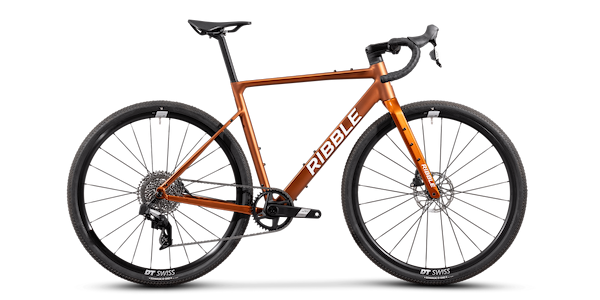
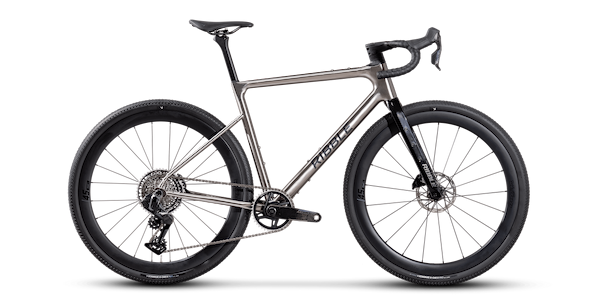
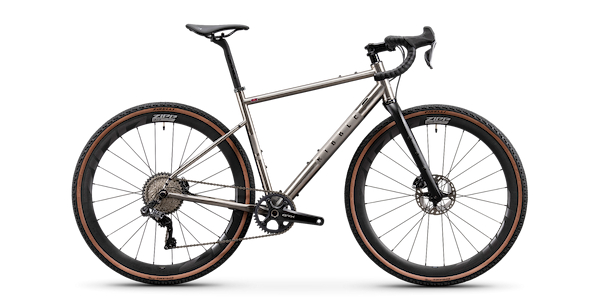
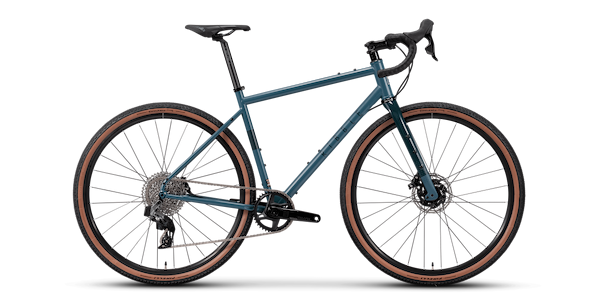
Our mountain bike range was built to conquer technical trails, fast-flowing singletrack and climb as well as it descends. Today, we’ve taken that same off-road DNA and channelled it into something more versatile: the gravel bike.
If you’re drawn to freedom on unpaved routes, gravel is where we now build our most capable go-anywhere machines.
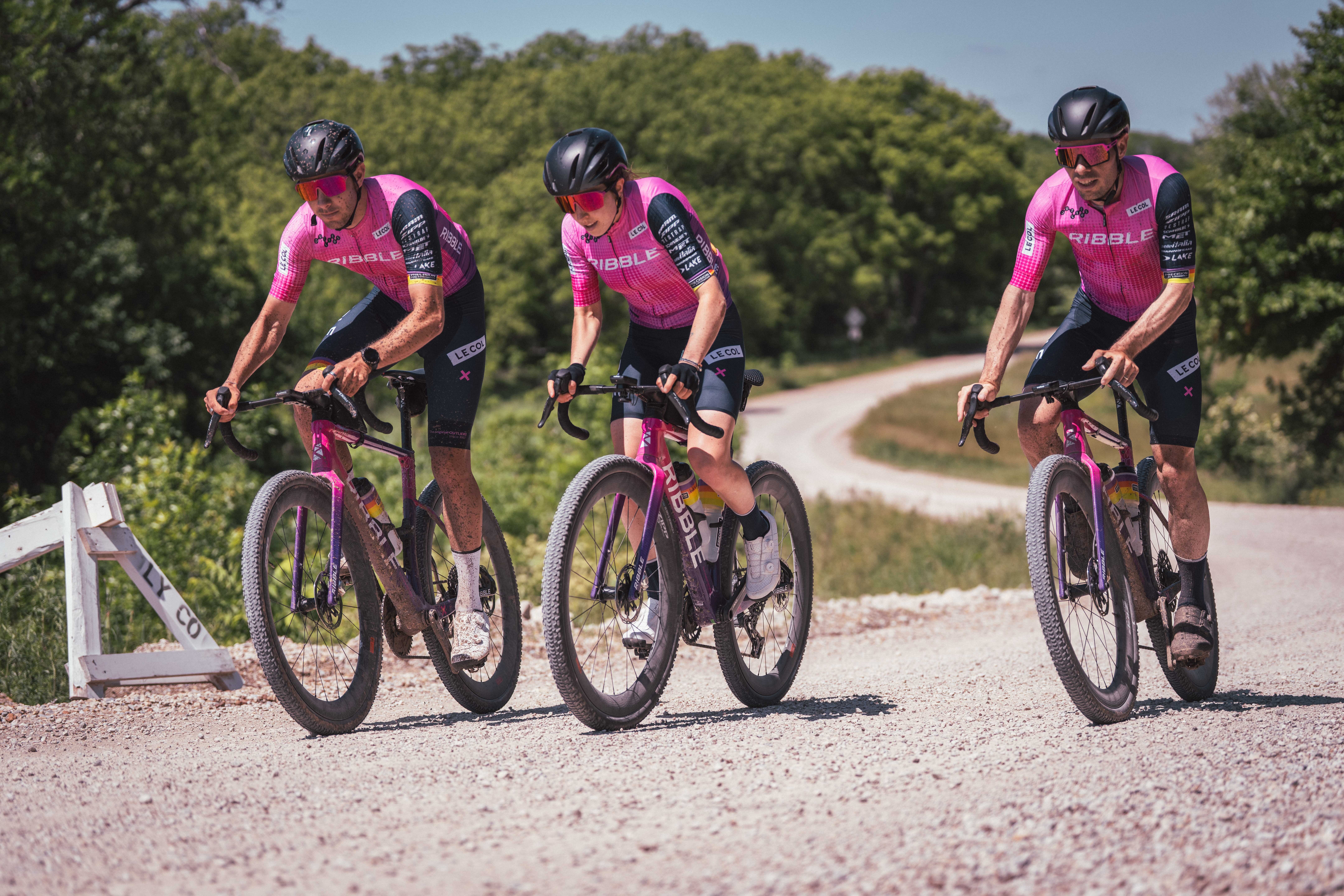
We’ve stepped away from MTBs to focus on the discipline that has redefined off-road riding: gravel.
A modern gravel bike handles gravel tracks, forest trails, bridleways and even the kind of singletrack that once belonged only to MTBs. It will also ride you to the start of the trails under its own steam, link up routes across mixed terrain and double as your everyday bike.
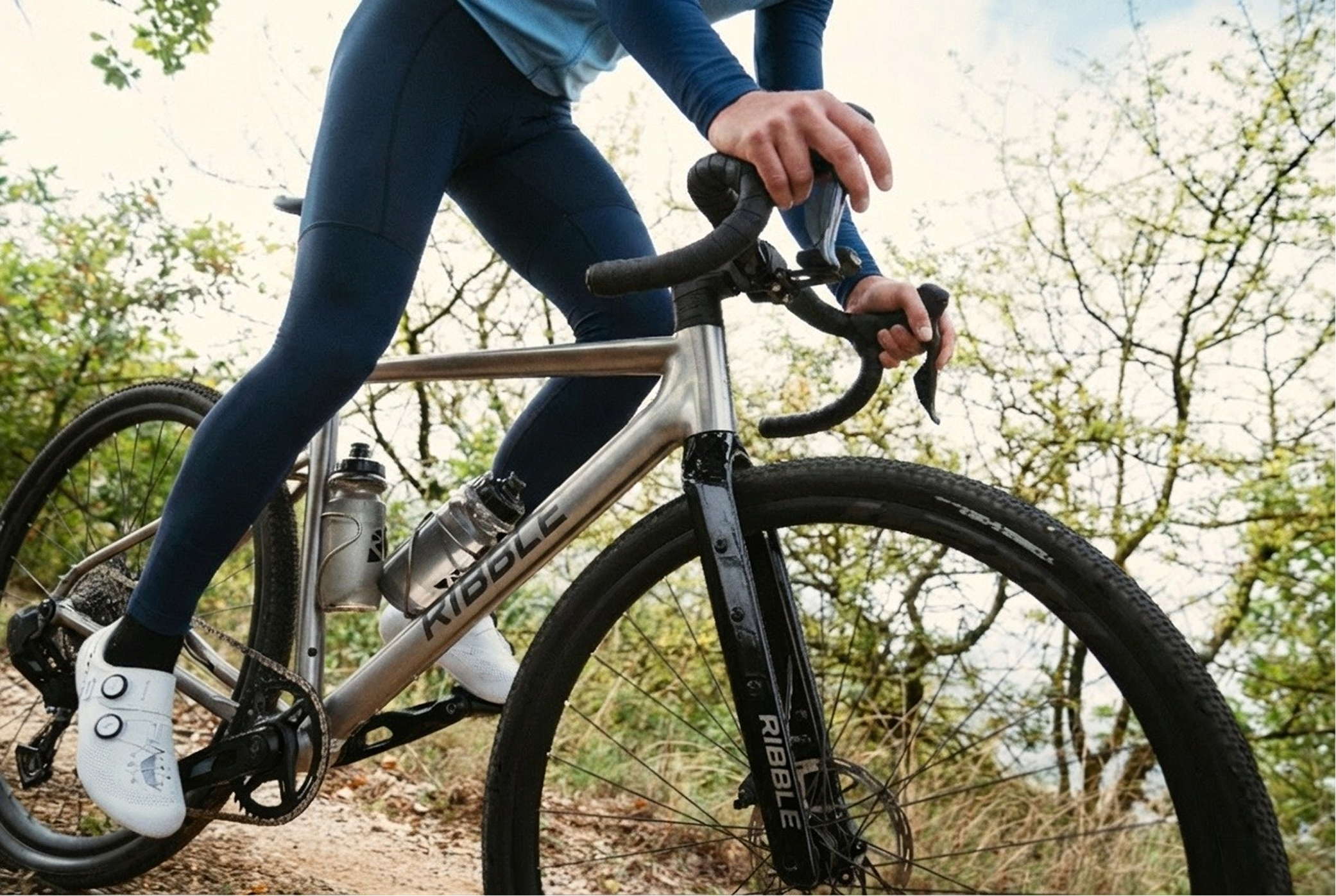
If you came here looking for a trail MTB, XC or hardtail, here’s how today’s gravel bikes compare:
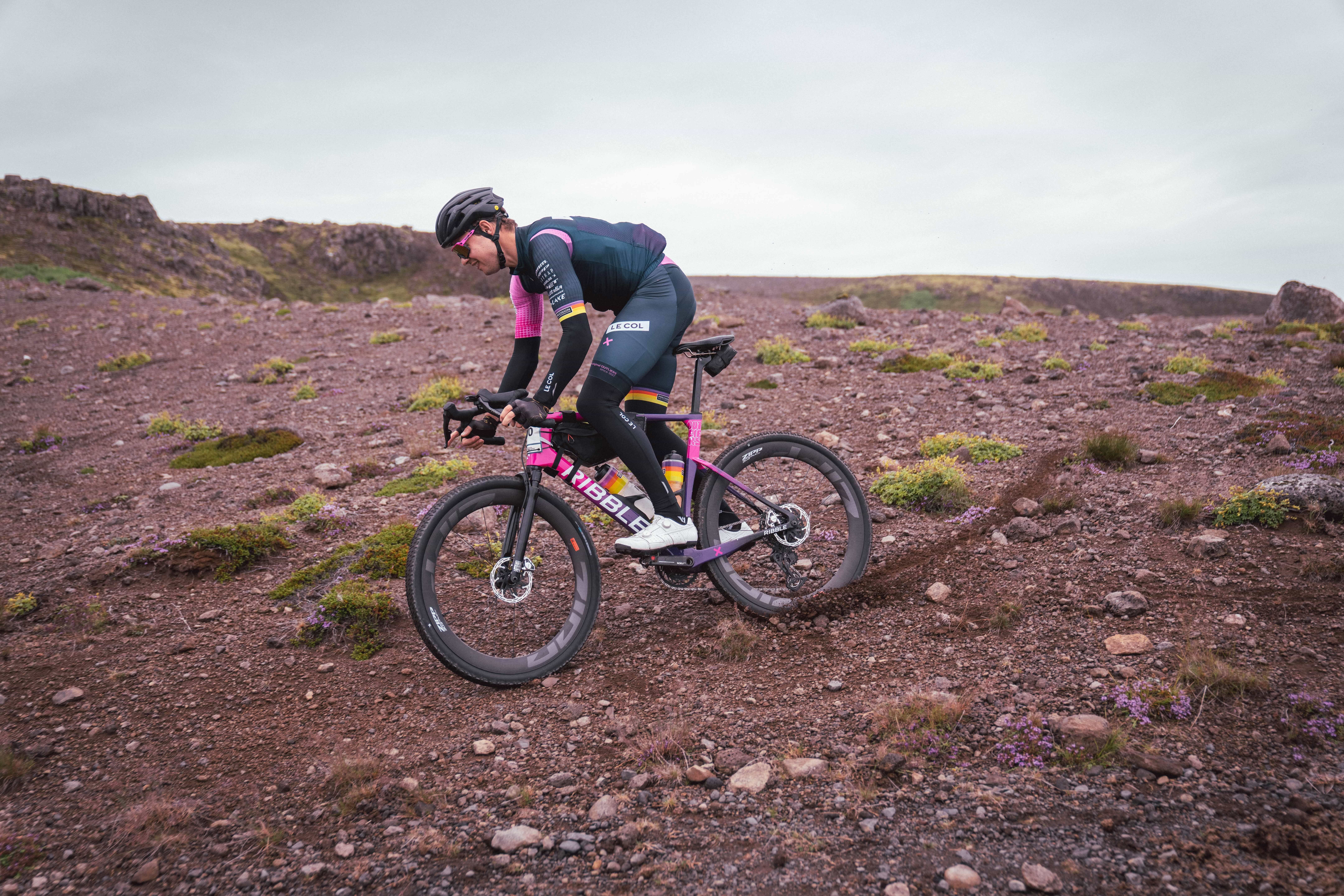
When the terrain turns rough, the RockShox Rudy Ultimate fork steps in to smooth out the ride.
Available as an upgrade on all gravel bikes, this premium suspension fork is purpose-built for gravel riding, offering up to 30mm of tunable travel for improved comfort, control, and confidence.
Whether you're carving through gravel or hammering down technical descents, Rudy’s refined damping and lightweight design help you stay fast, focused, and in total control.
Mountain bikes are specifically developed for challenging, off-road terrain. They are designed to be rugged and durable to handle the stresses of off-road adventures and the impact such terrain transmits through the bike. The types of terrain a mountain bike was designed to conquer are fire roads, forest trails, singletrack, downhills and other unpaved surfaces. They traditionally have knobbly tyres which aid mud shedding to provide grip and traction when conditions are especially muddy. Tyre choice can be altered to suit the surface — a knobbly tyre is not suited to hardpacked earth, and likewise a tyre with a less knobbly tread is not well suited to quagmire conditions. Wheel size has continued to evolve so that today's MTBs now have 650b plus or 29er wheels. 650b is more agile and better suited to forest trails, while a 29er is well-suited to downhills and enduro riding.
There are many varieties of mountain bike covering a wide range of disciplines. The most popular are: • Enduro / All Mountain bikes – A hybrid of a cross-country and freeride bike, with suspension in the region of 150–180mm, designed to climb as well as they descend. • Downhill – Built for one thing only: plummeting downhill as fast as possible. Monstrous suspension of around 200mm. • Trail – A cross between an all-out XC bike and an All Mountain bike. Travel is normally 120–140mm, designed to conquer forest trails and singletrack. • Cross Country (XC) – In today's world the 29er is king for XC due to its ability to roll over most obstacles. • Hardtail – As the name suggests, only front suspension. Normally falls into the XC and trail categories
Riding habits have changed. The vast majority of customers who came to us for XC, trail and hardtail mountain bikes are now better served by a modern gravel bike. One bike that handles forest trails, bridleways, gravel tracks, the commute and the weekend big ride. Rather than offer a watered-down MTB range, we've put our engineering into building gravel bikes that genuinely excel off-road.
For XC, light trail, bikepacking and all-day off-road adventures — yes, and for many riders it's the better choice. For bike-park, enduro stages and serious downhill, no - those disciplines still call for a dedicated full-suspension MTB.
On most mixed terrain, yes, considerably. Drop bars, lighter weight, narrower tyres and rigid frames make gravel bikes faster on fire roads, hardpack, gravel and any tarmac connecting your off-road sections. On rough, technical descents an MTB will still be quicker and more controlled.
Built for the same off-road spirit. Designed for everywhere.